
← All topics
Topic · 5 videos
World Economy
Oil, coffee, tariffs and trade – the big forces behind everyday prices.

 9:15
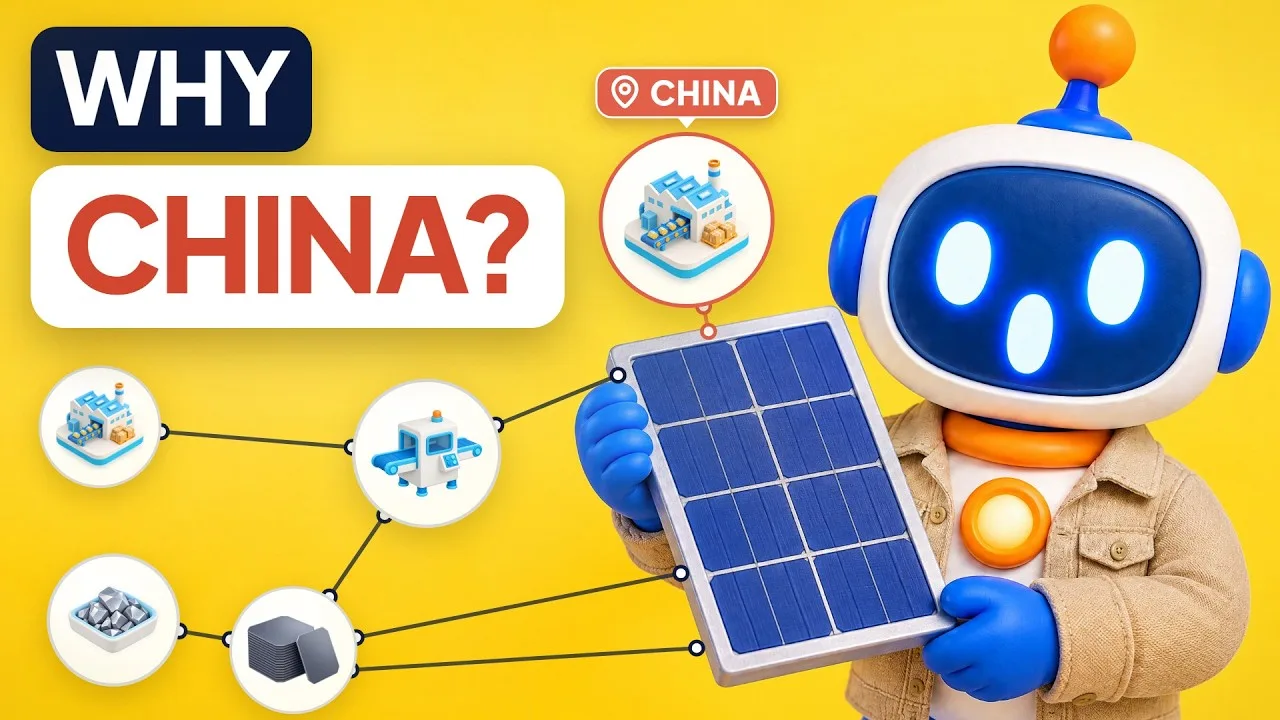
Why Does China Dominate the Solar Industry?
The sunlight on your roof is local. So why does so much of the solar industry lead back to China? On 16 October 2026, China proposed export controls on twelve technologies used in solar manufacturing. To understand what that means, we follow Robo, who wants to open his own solar factory – and discovers the difference between assembling a finished panel and mastering the whole production chain behind it. We look at what is actually inside a silicon solar panel, where the dependence really sits, how a manufacturing lead is built, why selling a product is not the same as selling the know-how to make it, whether existing panels could be "switched off", how to think about supply security – and what all this means for the bill on your roof.
 17:27
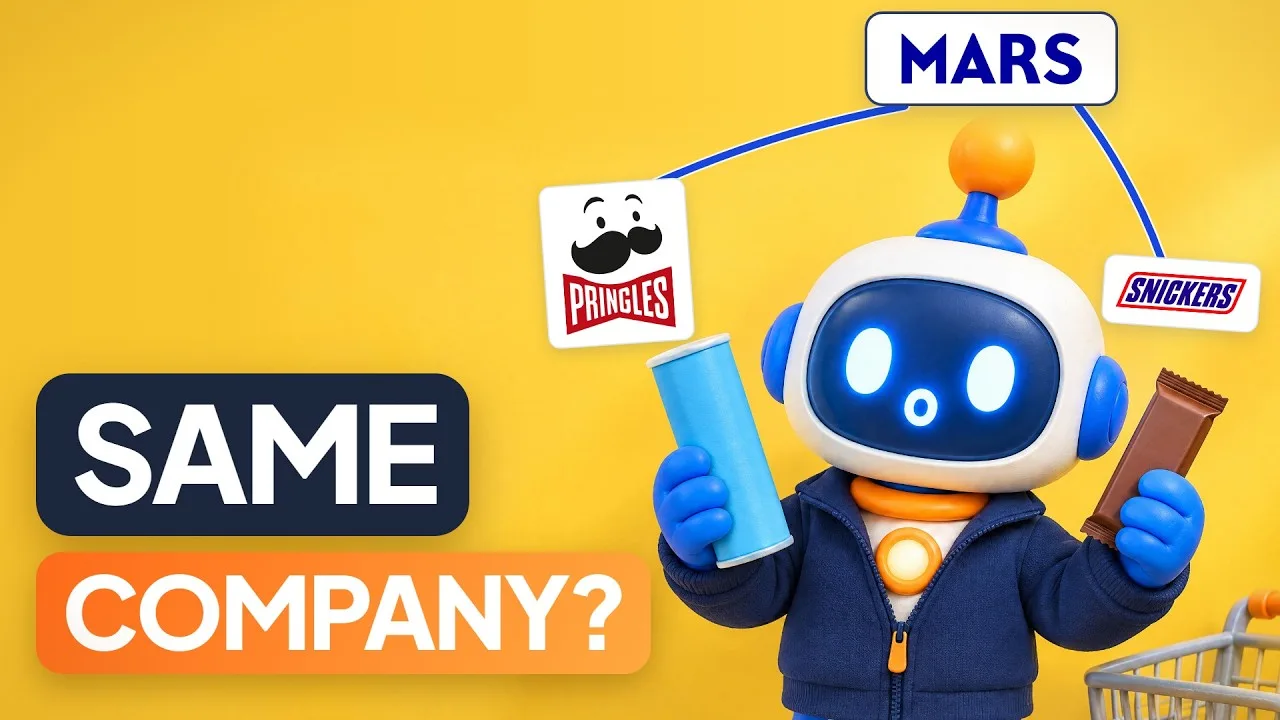
Who Really Owns the Brands in Your Shopping Cart?
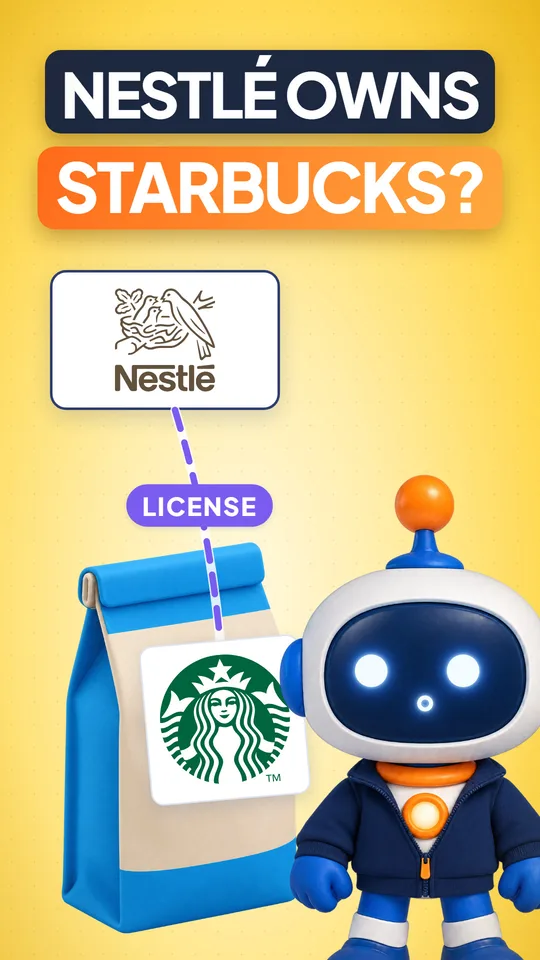
Pringles and Snickers, Oreo and Milka, Starbucks coffee and Nestlé – what really connects the brands in your shopping cart? Robo goes shopping and builds the map behind the brands: ownership, licenses, joint ventures, minority stakes – and why the answer can depend on the product, the country and the date.
 5:27
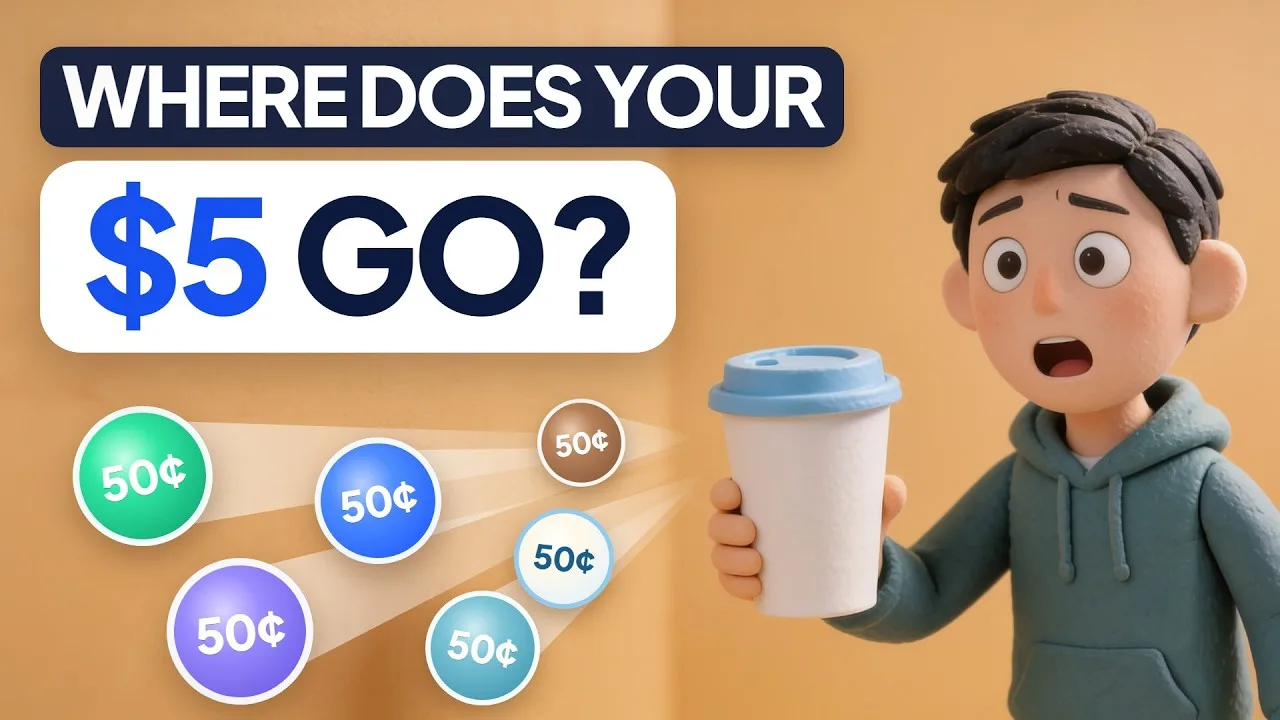
Where Does Your Coffee Money Actually Go?
Why is coffee so expensive? Follow a cup from farm to café, then see how an imaginary five-dollar latte pays for beans, milk, staff, rent and other costs.
 8:23
Why Oil Prices Affect You — Even If You Don't Drive
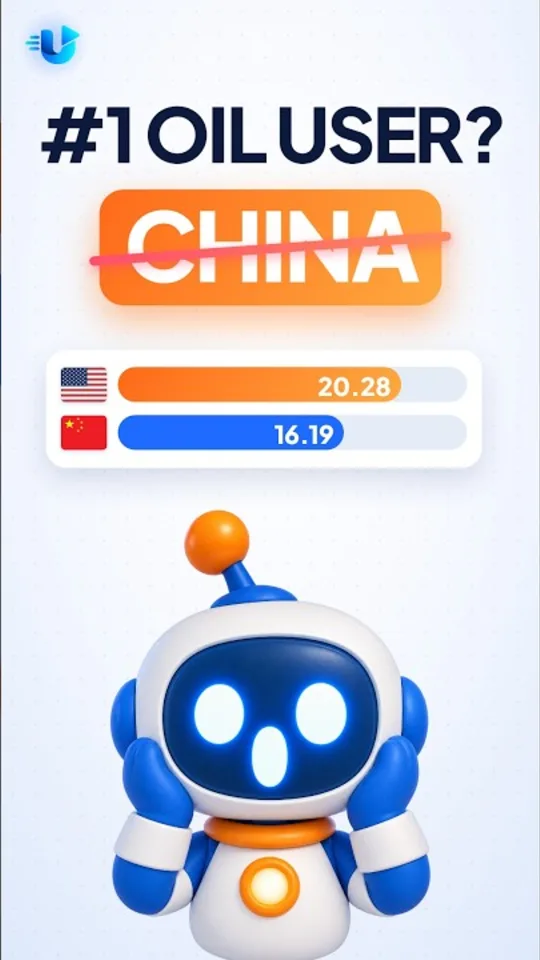
You don't drive. You rarely fly. So when oil prices rise, it's not your problem… right?
 5:31
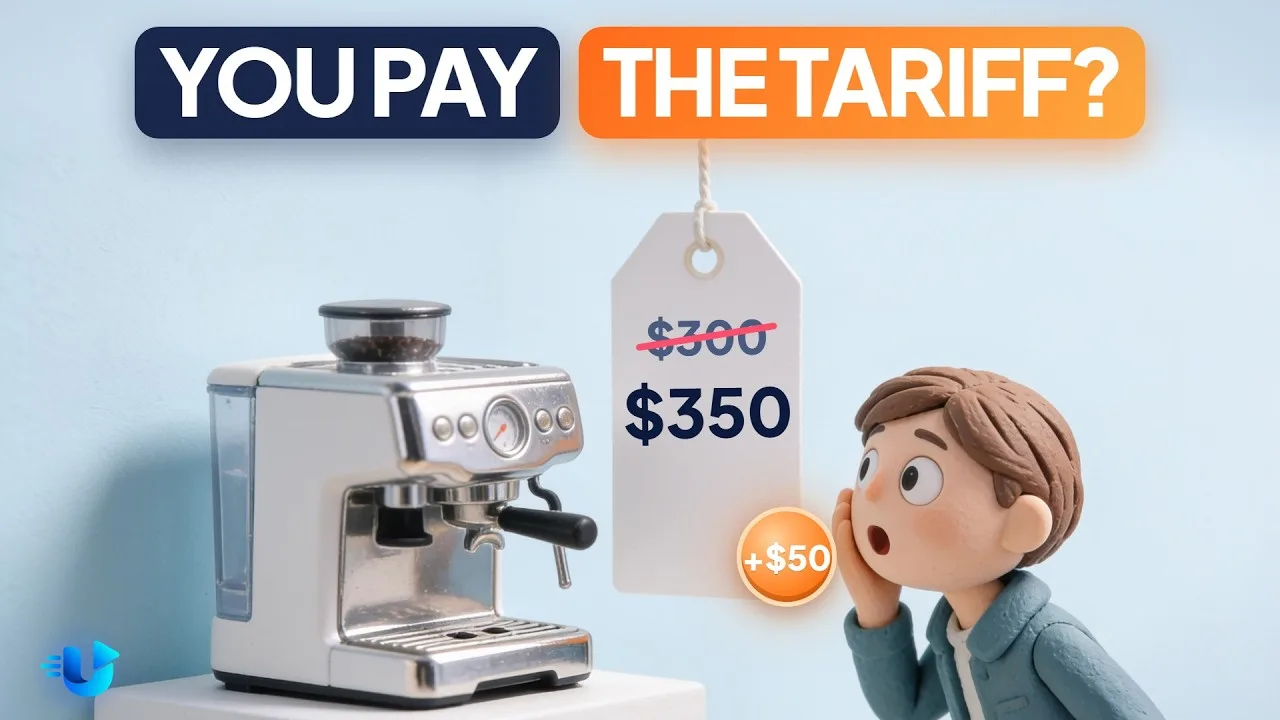
Tariffs Explained: Who Actually Pays?
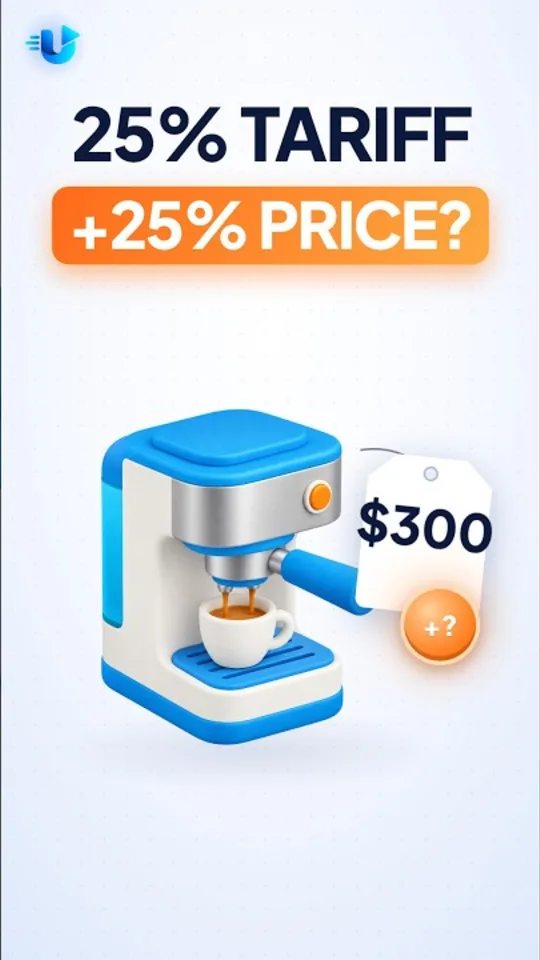
A coffee machine made in Germany costs $300 in an American shop. Then a 25% import tariff arrives. Does Germany pay? The manufacturer? Or you? We follow one machine and every dollar: from Lena's factory to Mike, the US importer and retailer, to you at the checkout, and to both governments. You'll see who actually transfers the tariff to customs, why a 25% tariff doesn't mean a 25% higher price, how buyers, retailers and manufacturers can share the cost, and what it means for the importing and the exporting country.